
The Secret To Perfect Filipino Home Cooking: Balancing Tradition With Modern Kitchen

There is a certain moment in Filipino cooking that tells you whether a dish is going in the right direction. It is not when the recipe begins, and it is not when the plate is served. It is that point somewhere in the middle, when garlic hits hot oil, onions soften, and the kitchen starts to smell like memory.
That is the thing about Filipino home cooking. It is deeply practical, but it is also emotional. It carries habit, instinct, family rhythm, and the quiet confidence of dishes passed down through repetition more than measurement. The best home cooks know this well. They do not treat tradition like a museum piece. They treat it like a living thing, something that can still breathe inside a modern kitchen.
That balance is the real secret. Great Filipino home cooking is not about choosing between old ways and new ones. It is about knowing what should stay untouched and what can be improved to make daily cooking easier, cleaner, and more consistent.
Tradition gives the dish its soul
Filipino food is rooted in memory. Adobo, sinigang, kare kare, tinola, menudo, pancit, and countless regional dishes are not loved only because of taste. They are loved because they carry familiarity.
A traditional approach teaches lessons that recipes alone often miss:
- Brown the aromatics properly and do not rush them
- Taste as you go because seasoning changes while simmering
- Respect texture, especially in stews and vegetable dishes
- Let sauces reduce naturally when the dish needs depth
These habits matter because Filipino cooking is rarely one-dimensional. Even simple dishes often rely on a balance of salt, acidity, savoriness, and warmth. That kind of balance usually comes from feel, not strict precision.
At the same time, home cooks now search for ingredients, cooking ideas, and food inspiration online more than ever. While doing that, especially when browsing on public or shared internet connections, some people use tools like VPN USA as part of their regular online routine. That may sit outside the pot itself, but it reflects how home cooking today often begins with digital discovery before it reaches the stove.
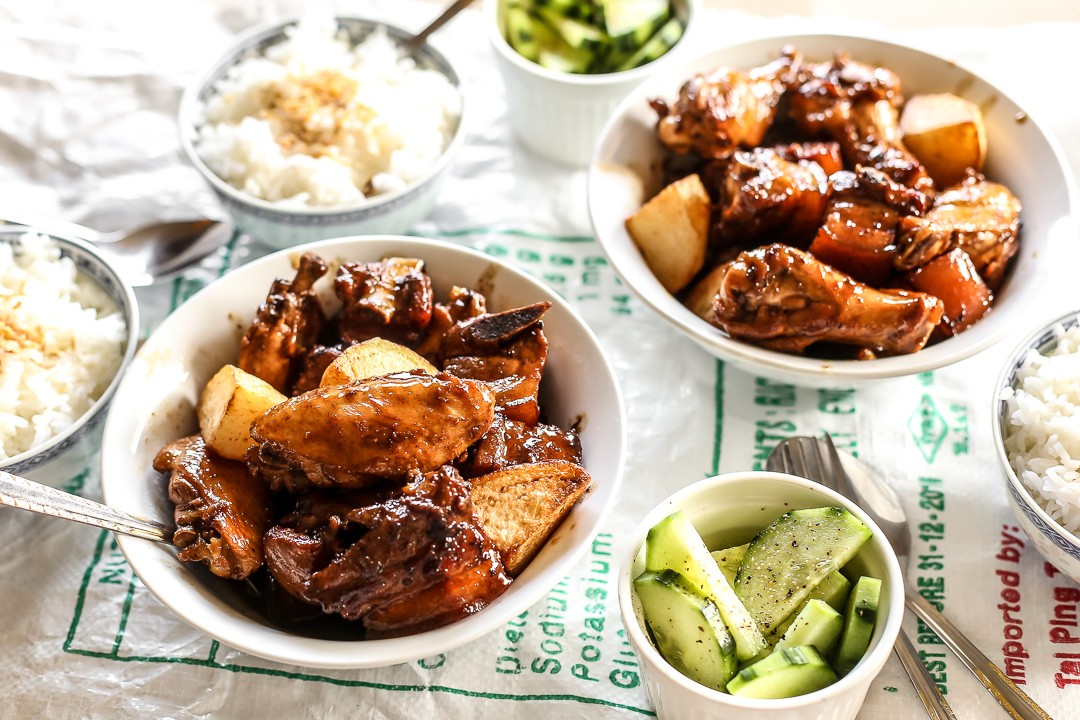
Modern kitchens are changing the way people cook at home
The Filipino kitchen has changed. Smaller spaces, faster schedules, and busier routines mean that many people now cook with one eye on the clock. Pressure cookers, air fryers, rice cookers, induction stoves, and better storage habits have made everyday cooking more manageable.
That does not make food less authentic. It makes it more realistic.
A home cook who uses a rice cooker well is not turning away from tradition. A parent who preps garlic, onions, and marinated proteins ahead of time is not taking shortcuts in the wrong sense. They are creating a kitchen rhythm that allows good food to happen on a weekday.
This is where modern habits help the most:
- Prepping ingredients in advance for faster weekday cooking
- Storing homemade broths or sauces for repeat use
- Using timers and thermometers when consistency matters
- Keeping the pantry stocked with staples that support classic dishes
Tradition gives direction. Good habits make it easier to follow.
Flavor still wins over convenience
Convenience matters, but flavor still decides whether a dish is worth making again.
Filipino home cooking succeeds when cooks protect a few non-negotiables. Aromatics must be developed properly. Sour dishes need enough brightness. Fried items need the right texture. Braised dishes should taste settled, not rushed.
This is why some recipes disappoint even when they follow all the steps. They may be technically correct, but they miss the deeper habits that shape flavor.
For example:
- Adobo needs time for the sauce to come together, not just boil
- Sinigang needs freshness in its sourness, not flat acidity
- Ginisang dishes need the sauté base to be treated seriously
- Fried fish or meat needs oil heat that stays steady
These are small details, but small details are what separate ordinary home cooking from memorable home cooking.

The smartest cooks adapt without losing character
One of the strengths of Filipino food is how adaptable it is. Families adjust dishes according to region, budget, season, and preference. One home cook likes a sharper sinigang. Another prefers sweeter spaghetti. One house cooks adobo with liver spread, another would never do that.
This flexibility is not a weakness. It is part of the cuisine’s identity.
Modern kitchen habits fit naturally into that spirit. A cook might use less oil, improve storage, simplify prep, or make ingredients easier to source. None of that takes away from the heart of the dish if the flavor still feels true.
If anything, these adjustments help preserve tradition by making it easier for younger cooks to stay engaged with it.
Technique matters more than expensive ingredients
Many great Filipino dishes were built from simple ingredients handled well. That is still true.
Good home cooking often depends less on buying premium products and more on understanding technique:
- When to simmer gently and when to boil harder
- When to cover and when to uncover
- When to season early and when to finish at the end
- When a dish needs patience more than more ingredients
This is part of why home cooking remains so powerful. It rewards attention more than excess.
If someone wants a useful refresher on the fundamentals behind many beloved dishes, this Filipino cooking methods guide is a helpful place to revisit the basics and understand why certain techniques still matter so much.

Why the best home cooking still feels personal
A perfect Filipino home-cooked meal does not have to look restaurant-ready. In fact, some of the most satisfying ones never do. They arrive steaming, slightly imperfect, full of aroma, and exactly right for the people eating them.
That is why balance matters so much. Tradition keeps the food recognizable. Modern habits keep it possible.
The real secret is not complicated. Keep the soul of the dish intact. Protect the flavors that matter. Use the tools and habits that make cooking fit your life now.
When that happens, Filipino home cooking stays what it has always been at its best: generous, grounded, and made to be shared.


Raymund – what a wonderful post to enjoy – from the Filipino world you know and can write about from your heart. I SO loved reading it. But, may I add . . . whatever we are used to eating on a day-to-day basis cooking from home . wherever we come from, most of what you have said rings true for all of us too – using our own ingredients and varying methodologies but, I can assure you, thinking and acting and enjoying very much the same . . . thank you for putting your thoughts down . . .
There great culinary wisdom here. So much of what you say applies also to Italian home cooking. Any good home cooking, really. Your passion for your cuisine really shines through. And passion is the most important ingredient in any dish.
I agree with what Frank said — this really applies to any traditional foodways. Thanks for some really nice wisdom!
This is such a great guide. I love reading all your insights; I’m still a novice at Filipino cooking and can use all the advice I can get.